Food waste is usually framed as an environmental issue. For a restaurant, it is first a margin issue — and it hides in places a P&L rarely shows.
1. Over-ordering you cannot see
When purchasing lives in PDFs and emails, nobody can compare what was ordered to what was sold. Structured purchasing data makes the gap visible.
2. Price drift on staples
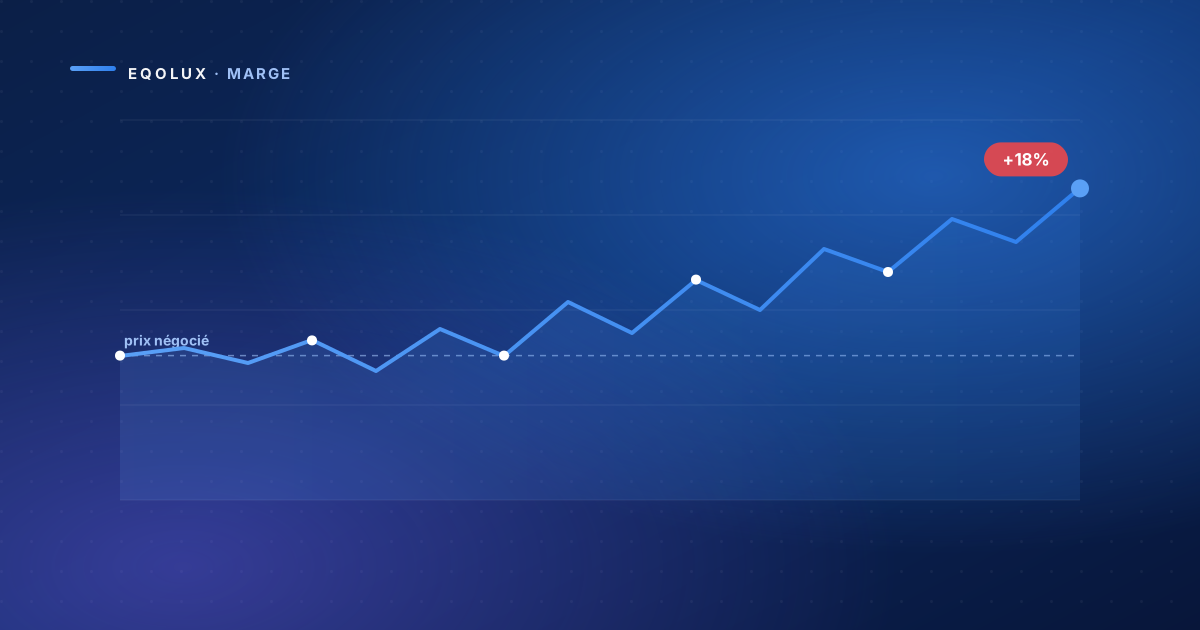
A 6% increase on a core ingredient, repeated across dozens of invoices, quietly erodes the margin on your best-selling dishes.
3. Duplicate and off-contract spend
The same product, bought from two suppliers at two prices, in the same week. It happens more than anyone expects.
The point is not to feel guilty about waste — it is to measure it. Once purchasing data is structured, reducing waste and protecting margin become the same project.
Want to see this on your own data? Request a demo.